Understanding Road Risks
Malaysia’s road safety begins with you. Learn the most common causes of crashes and how adopting safer driving practices can help protect yourself, your passengers, and everyone around you.
Understanding Common Road Risks in Malaysia
While driving offers convenience, it also involves inherent risks. Understanding the most common factors contributing to road crashes in Malaysia can help all drivers make safer choices, anticipate potential dangers, and contribute to reducing road crashes. Many risks are preventable through awareness and responsible driving habits.
Road safety starts with recognizing the risks. By understanding these common causes of road crashes and actively practicing safe, defensive driving habits, checking your vehicle, and staying alert, you play a vital role in preventing crashes and protecting lives on Malaysian roads.
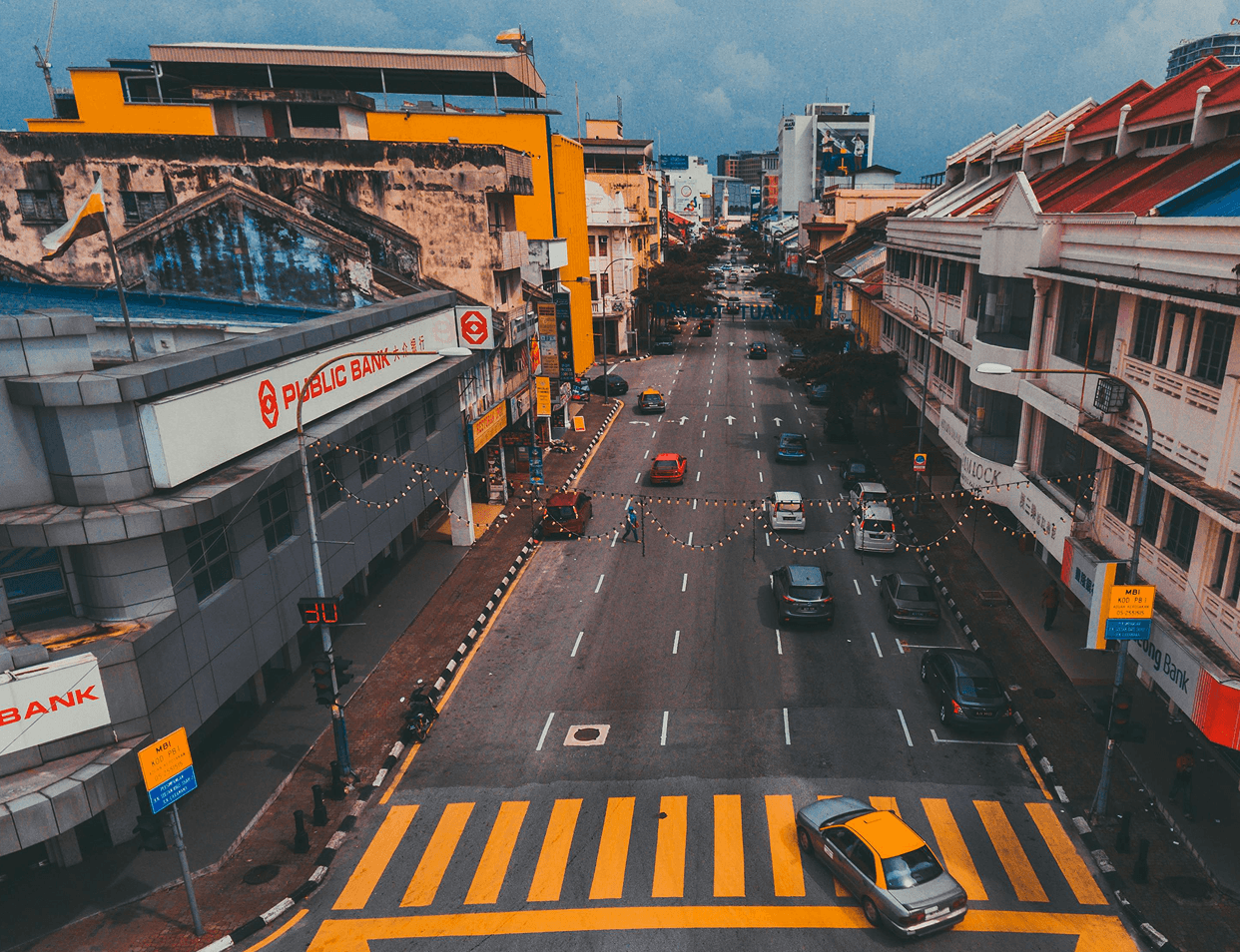
Common Causes of Road Crashes & How to Mitigate Risks
Understanding the main causes of road crashes helps us make safer choices. Stay aware, practice responsible driving habits, and take simple steps to reduce risks on the road.
Speeding

Risk
Reduces reaction time, increases stopping distance, makes crashes far more severe. A major factor in fatalities.
Mitigation
Always obey speed limits, adjust speed for conditions (weather, traffic, visibility), allow ample travel time.
Distracted Driving

Risk
Taking eyes, hands, or mind off driving (especially phone use) significantly delays reaction to hazards.
Mitigation
Put phone away/on silent, set navigation/music before driving, minimize other distractions, pull over safely if needed.
Driving Under the Influence

Risk
Alcohol, drugs, or impairing medications severely affect judgment, coordination, and reaction time.
Mitigation
Never drive after consuming alcohol/impairing drugs. Plan alternative transport beforehand. Check medication warnings.
Fatigue / Drowsy Driving

Risk
Lowers alertness and slows reaction time, especially late at night, early morning, or on long trips.
Mitigation
Sleep well, take breaks every 2 hours, avoid driving when sleepy, and stop to rest if you notice warning signs.
Reckless & Aggressive Driving

Risk
Tailgating, unsafe lane changes, running red lights, etc., create unpredictable and dangerous situations.
Mitigation
Maintain safe following distance, signal intentions, be patient and courteous, manage stress/anger before driving.
Poor Vehicle Maintenance

Risk
Worn tires, faulty brakes, or broken lights can cause loss of control or reduce visibility.
Mitigation
Regularly check tires, brakes, and lights, and follow maintenance schedules.
Road & Environmental Conditions

Risk
Rain (reduced visibility/grip), potholes, debris, sharp bends, poor lighting can increase crash risk.
Mitigation
Slow down in adverse weather, increase following distance, scan the road ahead for hazards, use headlights appropriately.
Failure to Yield / Junction Errors

Risk
Misjudging gaps, missing other vehicles, or ignoring traffic signals at intersections can cause collisions.
Mitigation
Approach junctions carefully, obey signs/signals, check all directions, and yield right-of-way properly.